
Finding the right business prospects is one of the biggest challenges for B2B sales and marketing teams. Sales teams need accurate company information, relevant contacts, buying signals, and tools that can help them identify potential customers at the right time. ZoomInfo is built around these requirements, offering a B2B go-to-market platform that combines business intelligence, contact data, sales intelligence, and purchasing-intent information.
The platform is designed for organizations that want to research companies, identify decision-makers, find prospects, and use data to support their sales and marketing activities.
About ZoomInfo

ZoomInfo is a B2B intelligence and go-to-market platform focused on company and contact information. Its platform combines business data with additional intelligence and purchasing signals that can help sales and marketing teams identify potential opportunities.
The company also offers tools for sales engagement, conversation intelligence, data management, and other go-to-market activities.
What Does ZoomInfo Offer?
ZoomInfo provides several tools designed to support different stages of the B2B sales and marketing process.
Sales Intelligence
Sales intelligence is one of the central parts of the platform. Teams can research companies and contacts, identify relevant prospects, and gather information that can be used for outreach.
Instead of relying only on basic contact lists, sales teams can use business intelligence to better understand potential accounts and the people working within them.
Contact and Company Data
ZoomInfo provides access to business and professional information covering companies and contacts.
Sales representatives can use this information to identify decision-makers, build prospect lists, and research target accounts before starting an outreach campaign.
For B2B organizations, having company and contact information available in one platform can reduce the need to switch between multiple research sources.
Intent Data
Another major part of ZoomInfo is purchasing-intent information.
Intent data is designed to provide signals about companies that may be researching particular products, services, or business topics. This can help sales and marketing teams identify accounts that may be showing interest in a specific area.
The value of intent data depends on how a company uses those signals. Teams can combine intent information with their existing account lists and outreach strategies rather than treating a signal as a guaranteed buying decision.
Marketing Intelligence

ZoomInfo can also support marketing teams with account and market intelligence.
Marketers can use business information to build target account lists, identify potential audiences, and support account-based marketing campaigns.
This can be particularly useful for organizations that sell to specific industries, company sizes, job roles, or geographic markets.
Sales Engagement and Conversation Intelligence
ZoomInfo’s wider product ecosystem also includes tools for sales engagement and conversation intelligence. SoftwareAdvice describes the platform as combining intelligence with tools such as Chorus for conversation intelligence, Engage for sales engagement, and RingLead for data orchestration.
These capabilities allow teams to connect prospect research with other parts of their sales workflow.
For example, a sales team can research an account, identify contacts, engage prospects, and use conversation insights as part of the broader sales process.
Data Management and Enrichment
Keeping business databases updated can be difficult when companies and employees frequently change.
ZoomInfo’s data-management capabilities are designed to help businesses organize and enrich their existing information. This can be useful when companies want to improve the quality of CRM records or add additional information to existing accounts.
Better data organization can also help sales and marketing teams create more targeted campaigns.
Integrations
ZoomInfo is designed to work alongside other systems used by sales and marketing teams.
Connecting intelligence and prospect information with existing CRM and sales tools can make it easier for teams to incorporate research into their normal workflows.
The exact integrations and capabilities available can depend on the specific ZoomInfo products and package selected.
ZoomInfo Pricing
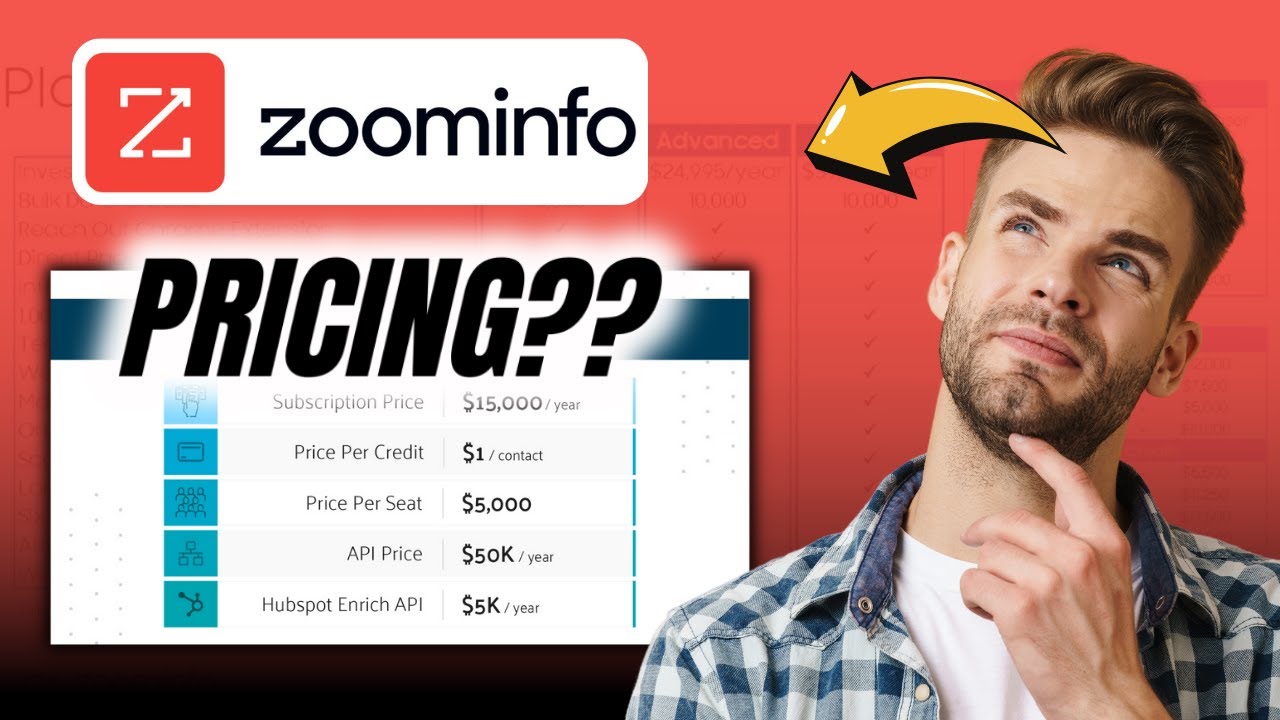
ZoomInfo does not follow a simple consumer-style pricing model. Pricing is generally based on the requirements of the business and the products, users, data, and features included in the agreement.
This means potential customers may need to contact ZoomInfo for a quote rather than selecting a straightforward monthly plan from a public pricing table.
For larger sales and marketing organizations, the ability to build a package around specific business requirements can be useful. Smaller businesses, however, may need to carefully compare the total cost against the amount of data and functionality they actually require.
Pros and Cons of ZoomInfo
Pros
- Large B2B company and contact intelligence platform
- Sales intelligence and prospect research tools
- Purchasing-intent data
- Marketing and account intelligence
- Sales engagement capabilities
- Conversation intelligence through its wider product ecosystem
- Data management and enrichment features
- Designed for broader go-to-market workflows
- Useful for teams working with large B2B prospect databases
Cons
- Pricing is not presented as a simple fixed public plan
- Costs can be significant for smaller businesses
- The platform may offer more functionality than a small sales team needs
- Data quality and availability can vary depending on the company, market, and contact
- Teams need a clear process to turn intelligence and intent signals into actual sales activity
Who Is ZoomInfo Best For?
ZoomInfo is primarily suited to B2B companies with structured sales and marketing teams.
It can be useful for sales development teams, account executives, demand-generation teams, marketing departments, and organizations running account-based marketing campaigns.
Companies that need to research large numbers of businesses and contacts may find the platform particularly relevant because it combines multiple types of B2B intelligence in one environment.
Smaller businesses with limited prospecting requirements may need to evaluate whether the platform’s broader capabilities justify its pricing structure.
Is ZoomInfo Worth It?

ZoomInfo offers more than a basic business contact database. Its platform combines company and contact intelligence with intent data, marketing intelligence, sales engagement, conversation intelligence, and data-management capabilities.
The platform can be especially useful when a business has a defined B2B sales process and needs detailed information to support prospecting and account targeting.
However, the value depends heavily on the organization’s needs and budget. Since pricing is generally quote-based, businesses should evaluate the specific data, users, products, and features included in their proposal before making a decision.
Final Verdict
ZoomInfo is built for businesses that want to use data and intelligence throughout their B2B sales and marketing processes. Its combination of company information, contact data, purchasing signals, marketing intelligence, and sales-focused tools gives organizations several ways to research and engage potential customers.
The platform is more focused on professional B2B use than casual lead searching, so its usefulness depends on the size and structure of the sales operation.
If your business needs detailed B2B intelligence and prospecting capabilities, ZoomInfo is worth considering, particularly when its available data and features match your sales and marketing requirements.