
Sky is one of the UK’s major entertainment and connectivity brands, offering television, streaming, broadband, mobile services and related products under one ecosystem. Its range includes traditional Sky TV options as well as newer streaming-focused products such as Sky Stream and Sky Glass.
For customers who want television, entertainment and connected services from one provider, Sky offers several ways to build a setup around their viewing habits. However, the overall value depends on the package, contract, equipment and broadband connection selected.
About Sky
Sky has built its services around television and home entertainment, but its offering has expanded beyond traditional satellite TV.
Customers can choose from different television experiences, including Sky Glass, Sky Stream and Sky Q, depending on the type of setup they want. Sky also offers broadband, mobile and other connected services.
Sky Glass combines a television with Sky’s streaming experience, while Sky Stream uses a compact streaming puck connected to the television. Sky Glass works through broadband rather than requiring a satellite dish.
Sky TV and Entertainment
Television remains one of Sky’s main areas.
Sky offers entertainment packages containing live and on-demand programming, with options that can include Sky channels and services such as Netflix and Discovery+. The exact channels and inclusions depend on the package selected.
Sky also provides Sky Go, allowing eligible customers to watch selected live and on-demand content on compatible devices. This gives subscribers another way to access their entertainment away from the main television.
For people who mainly watch films, series, entertainment and live television, the variety of available packages gives Sky considerable flexibility. At the same time, customers need to check the exact package because content and additional features can vary.
Sky Glass
Sky Glass is designed as an all-in-one television with Sky built into the experience.
The current range includes Sky Glass Air and Sky Glass Gen 2. Both are available in different screen sizes, while Gen 2 adds features such as local dimming zones, advanced HDR and a built-in soundbar.
One of the biggest differences is that Sky Glass does not require a satellite dish for its Sky TV experience. It connects through broadband, making it suitable for households that prefer a streaming-based setup.
Sky also states that Glass can work as a normal TV without a Sky TV subscription after activation, although some Sky-specific features and services require an active subscription.
Sky Stream
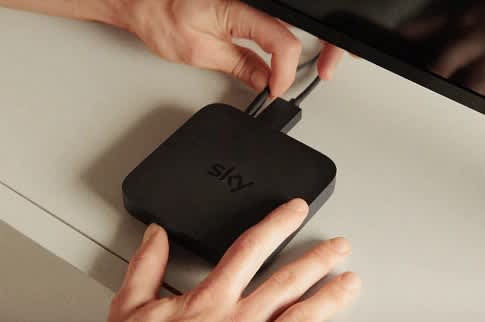
Sky Stream provides another way to access Sky entertainment without relying on a traditional satellite setup.
The system uses a small streaming puck connected to the television and broadband connection. This can make it appealing to people who already own a television and do not want to replace it with an all-in-one TV.
Sky Stream also supports live and on-demand entertainment, while its interface brings available programming together through the Sky experience.
Because streaming depends on broadband, a stable connection is important. Sky’s own information recommends minimum broadband speeds depending on the service and package, with UHD viewing requiring higher performance.
Sky Q
Sky Q represents Sky’s more traditional television setup.
Unlike Sky Glass and Sky Stream, which rely on broadband streaming, Sky Q is associated with Sky’s satellite-based television service. It can therefore appeal to customers who prefer a conventional TV setup.
The differences between Sky Q and the newer streaming products are important. Sky Stream, for example, does not provide the same type of local recording experience as Sky Q. Community discussions also highlight differences in channel availability and how content is accessed.
This means customers moving from Sky Q to a streaming-based product should consider how they watch and manage television before changing systems.
Sky Broadband
Sky also provides broadband as part of its wider home connectivity offering.
Broadband becomes particularly important when using Sky Glass or Sky Stream because these products depend on an internet connection. Sky states that Glass works over broadband and provides recommended minimum speeds before ordering.
For households using multiple streaming devices, the quality and stability of the home network can become especially important. A fast connection alone does not necessarily guarantee the same performance throughout every room, so the actual Wi-Fi environment also matters.
Sky Mobile
Sky’s wider ecosystem also includes mobile services.
Sky Mobile gives customers another way to combine their telecommunications needs with the Sky ecosystem. Customers can manage their mobile service alongside other Sky products, depending on their chosen plans.
The company also provides dedicated support and terms for Sky Mobile customers, separate from its television and broadband services.
For households already using multiple Sky services, having television, broadband and mobile options under one provider can simplify account management.
Sky Pricing and Contracts
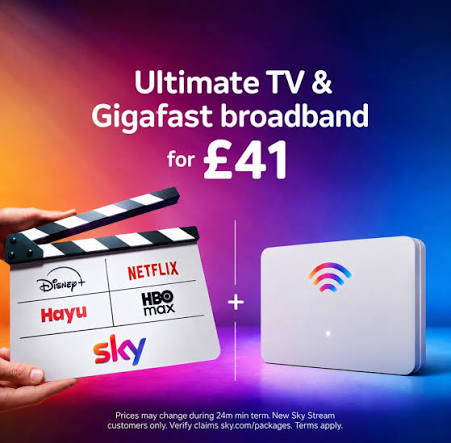
Sky pricing depends heavily on the product and package selected.
For example, current Sky Glass pricing includes Sky Glass Air from £7 per month on a 48-month interest-free loan or £359 outright, while Sky Glass Gen 2 starts from £14 per month or £699 outright for the displayed 43-inch models. A Sky TV subscription is required with Glass, with current new-customer streaming TV options starting from £15 per month on a 24-month minimum term.
Additional features can also cost extra. For example, Sky lists an Ultra HD and Dolby Atmos Pack at £6 per month, subject to the applicable terms.
Because prices, promotions and package conditions can change, customers should look at the complete monthly cost rather than focusing only on the headline price.
Pros and Cons of Sky
Pros
- Sky offers a broad entertainment ecosystem covering television, streaming and other connected services.
- Sky Glass provides an all-in-one television option without requiring a satellite dish, while Sky Stream offers a compact streaming alternative for customers who already own a TV.
- The availability of Sky Go also makes selected content accessible on compatible devices away from the main television.
- Another advantage is the range of packages and equipment choices, allowing customers to select a setup based on how they prefer to watch television.
Cons
- Sky can become expensive when multiple packages, premium features or additional services are combined.
- The streaming-focused products also depend on a suitable broadband connection. Customers with unreliable internet or weak Wi-Fi may not get the experience they expect from a broadband-based television setup.
- There can also be meaningful differences between Sky Q, Sky Stream and Sky Glass, particularly around recording, equipment and how content is accessed. Customers switching between systems should therefore check the details before committing.
Who Is Sky Best For?
Sky may suit households that want a broad selection of television and entertainment services and prefer having multiple options from one provider.
Sky Glass can be considered by people looking for an all-in-one TV, while Sky Stream may be more suitable for those who already have a television and want a compact streaming setup. Sky Q remains relevant for customers who prefer its traditional satellite-based approach.
The right choice ultimately depends on viewing habits, broadband quality, preferred equipment and the total monthly cost of the selected package.
Is Sky Worth It?
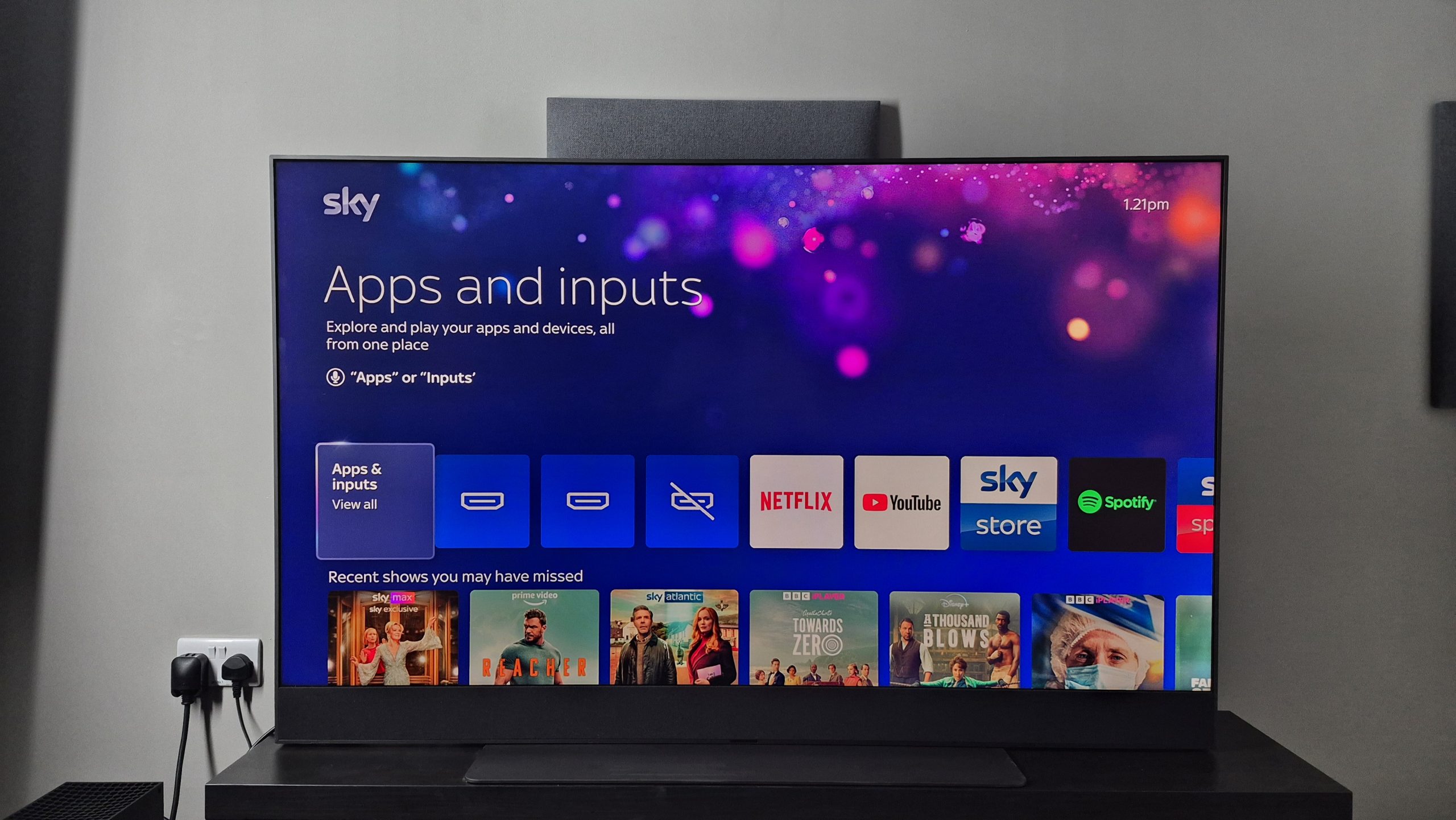
Sky offers much more than a single television package. Its ecosystem covers TV, streaming, broadband, mobile and connected entertainment, with products designed for different types of households.
The biggest consideration is the total package. Sky can offer a convenient entertainment setup, but customers should compare the subscription, equipment costs, contract length and any optional extras before signing up.
For viewers who want a dedicated entertainment ecosystem and value features such as Sky Glass, Sky Stream, Sky Go or traditional Sky TV, the range gives them several options to consider.
Final Verdict
Sky remains a major option for UK households looking for television and entertainment services, particularly for customers who want more than basic streaming apps.
Its combination of Sky TV, Sky Glass, Sky Stream, Sky Q, broadband and mobile services provides flexibility, while the different product formats allow customers to choose between an all-in-one TV, compact streaming device or traditional setup.
However, the value of Sky depends on the specific package and how many additional services or features are added. Checking the complete price and understanding the differences between Sky’s products is important before making a decision.
If you want a broad television and entertainment ecosystem rather than relying only on individual streaming services, Sky is worth considering.