
Z.ai is an AI platform built around the GLM family of models, offering tools for general AI conversations, reasoning, coding, web-based tasks, image generation, and agent-style workflows. The platform is designed for users who want to use advanced AI models for everyday questions as well as more technical and creative projects.
With features such as Quick Search, Think mode, AI-generated content, coding capabilities, and access to different GLM models, Z.ai provides a broad workspace for exploring AI without limiting the platform to simple chatbot conversations.
About Z.ai

Z.ai is the platform behind the GLM family of large language models. Its current ecosystem includes language models, vision models, video-generation models, and agent-oriented tools.
The chat platform provides access to AI models that can assist with writing, research, reasoning, coding, content creation, and other tasks. Recent GLM models have also been developed with stronger reasoning, tool-use, and agentic capabilities.
GLM models are available through the Z.ai platform, while developers can also access them through the company’s API services.
What Does Z.ai Offer?
Z.ai combines several AI capabilities into a single platform. Its features are aimed at both everyday users and people working on more advanced technical projects.
AI Chat and General Assistance
The main Z.ai experience works as an AI assistant where users can enter questions and receive generated responses.
It can be used for writing, brainstorming, explanations, research assistance, summaries, idea development, and other everyday tasks. The interface also provides different modes and model options depending on the type of work being performed.
Think Mode
Z.ai includes thinking capabilities designed for tasks that require additional reasoning.
This can be useful for complex questions, mathematics, logical problems, technical analysis, and other situations where a simple response may not be enough.
The GLM model family has been developed with both reasoning and non-thinking modes, allowing users to balance deeper reasoning with faster responses depending on the task.
Coding
Coding is one of the areas where Z.ai places considerable emphasis.
Its GLM models are designed to assist with writing code, debugging, understanding existing projects, and building applications. GLM-4.7, for example, was specifically developed with improvements in coding, agentic programming, terminal-based tasks, and tool use.
The platform can therefore be useful for developers who want an AI coding assistant for both smaller programming questions and larger development workflows.
Web Search and Research
Z.ai also includes Quick Search and other research-oriented capabilities.
These tools can help users gather information and work through questions that require external knowledge. The platform’s newer GLM models have also been designed with agentic abilities and web-browsing tasks in mind.
This makes Z.ai more suitable for research-oriented workflows than a basic offline chatbot.
AI-Generated Slides and Artifacts
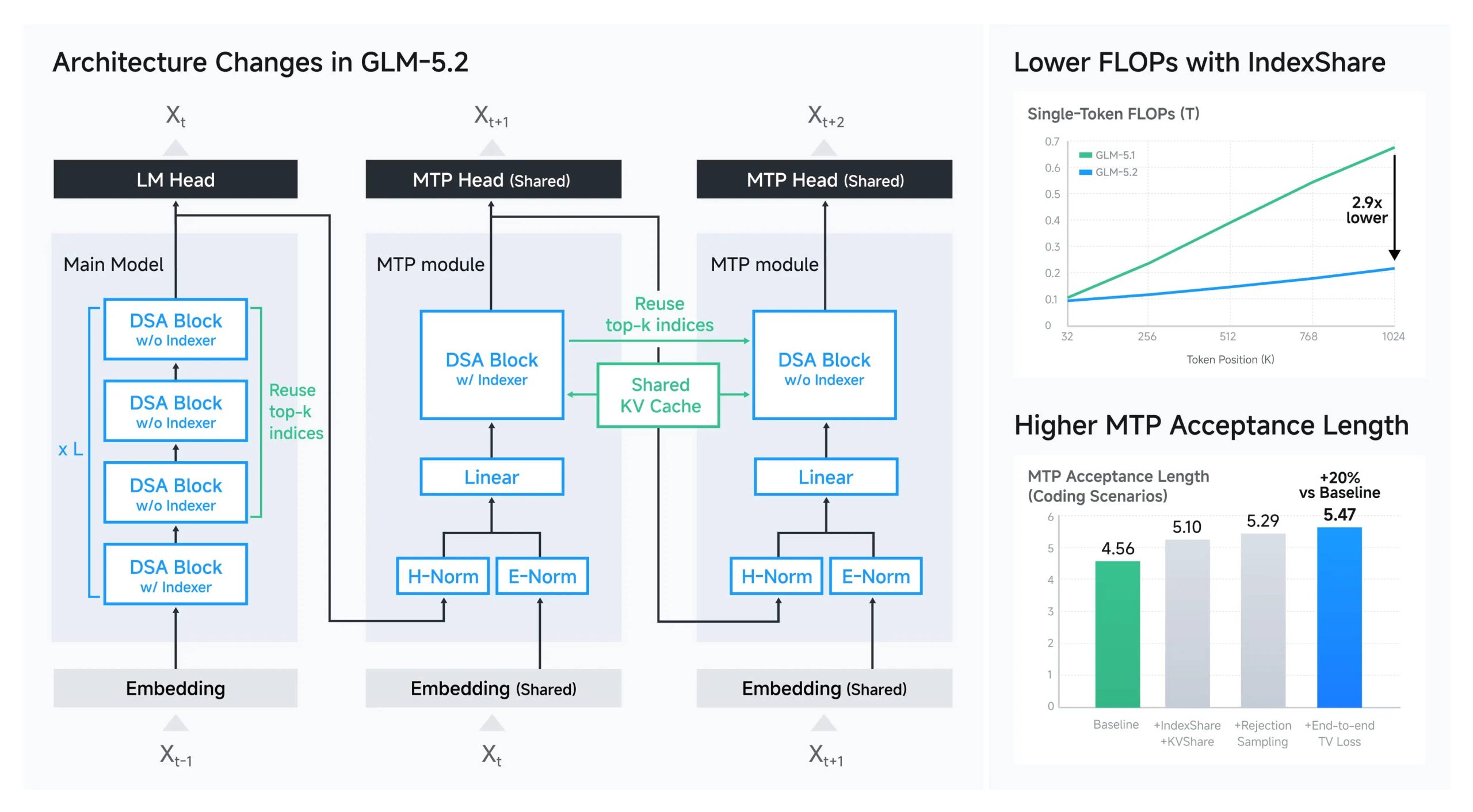
Another notable capability is the generation of digital artifacts.
Z.ai can be used to create items such as interactive web experiences, presentations, posters, and other generated content. GLM models have demonstrated the ability to create standalone artifacts and presentation materials through AI-assisted workflows.
Users can provide instructions and allow the AI to generate a starting point that can then be refined.
Z.ai for Developers
Z.ai is not limited to its consumer-facing chat interface. Developers can access GLM models through the Z.ai API platform.
The API ecosystem includes language models along with vision, video-generation, and agent-related products. The platform also provides API documentation, usage bundles, billing tools, and developer resources.
This gives developers the option to integrate GLM-powered capabilities into their own applications instead of using the chat interface directly.
AI Image Generation
Z.ai’s ecosystem also includes image-generation capabilities.
GLM-Image is an open-source image-generation model designed for text-to-image and image-to-image tasks. It supports applications such as image editing, style transfer, identity-preserving generation, and multi-subject consistency.
The separate image-generation experience can be useful for creators who want to experiment with AI visuals alongside their text and coding workflows.
Z.ai for AI Agents
Agent-style workflows are another important part of the Z.ai ecosystem.
The GLM model family has been developed to handle tool use, multi-step reasoning, coding tasks, information retrieval, and other agentic workflows. GLM-4.5, for example, was designed to combine reasoning, coding, and agentic capabilities in one model.
For users building more complex AI workflows, this can provide more flexibility than a basic question-and-answer chatbot.
Z.ai Pricing
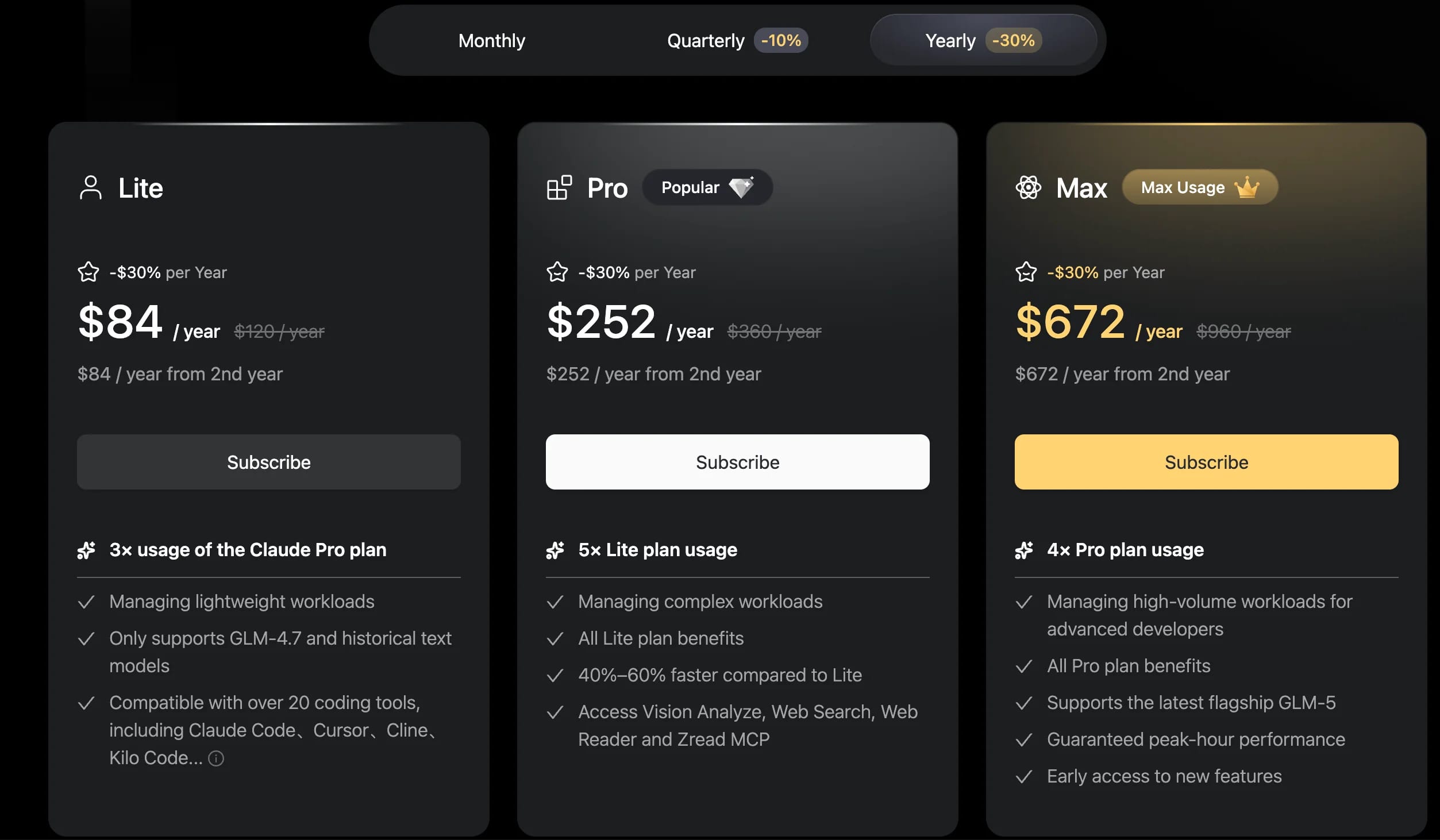
Z.ai offers different ways to access its AI ecosystem, including its chat platform and API services.
The API platform uses usage-based pricing and also provides usage bundles for developers. Pricing depends on the model and type of service being used.
Because model availability, subscriptions, and usage pricing can change, users should check the current plan and model details before committing to a paid option.
Pros and Cons of Z.ai
Pros
- Access to the GLM family of AI models
- Strong focus on reasoning and coding
- Search and research-oriented capabilities
- Support for AI-generated artifacts and presentations
- Developer API access
- Agent-focused AI capabilities
- Image-generation options through the GLM ecosystem
- Useful for both everyday and technical workflows
- Multiple AI model and tool options
Cons
- The number of features can feel overwhelming for new users
- Advanced capabilities may require specific models or paid access
- API usage is separate from simply using the chat interface
- AI-generated results can still require human checking and editing
- Model capabilities and available options can change over time
Who Is Z.ai Best For?
Z.ai can be useful for a wide range of AI users.
Students and general users can use it for questions, explanations, writing, brainstorming, and research. Developers can use the platform for coding assistance and access to GLM models through the API.
It can also appeal to creators interested in generating presentations, artifacts, images, and other AI-assisted content.
For users who want to experiment with reasoning-focused AI and agent-style workflows, Z.ai provides several tools within the same ecosystem.
Is Z.ai Worth It?

Z.ai offers more than a conventional AI chatbot. Its platform brings together conversational AI, reasoning, coding, search, artifact generation, image generation, APIs, and agent-oriented capabilities.
Its GLM models are particularly focused on combining reasoning, coding, and tool use, while the broader ecosystem gives developers and creators additional ways to work with AI.
The platform may be especially useful for people who want to explore different AI workflows rather than use AI only for basic text generation.
However, users should consider which features they actually need before choosing a plan, particularly when working with API usage or more advanced models.
Final Verdict
Z.ai is a broad AI platform built around the GLM model family, with capabilities covering everyday conversations, reasoning, coding, research, AI-generated artifacts, image generation, and developer APIs.
Its combination of technical and creative tools gives users several ways to incorporate AI into their workflows. Developers can also move beyond the chat interface through API access and model integrations.
For users interested in AI reasoning, coding, creative generation, and agent-style workflows, Z.ai is worth considering.