
Learning new skills no longer requires attending a traditional classroom or following a fixed schedule. Online learning platforms have made it possible to study subjects ranging from technology and business to healthcare, languages, data science, and personal development from almost anywhere.
Coursera is one of the larger online learning platforms, offering courses and professional programs from universities and companies. Its catalog includes individual courses, Specializations, Professional Certificates, university certificates, and online degree programs.
What Is Coursera?
Coursera is an online learning platform that connects learners with educational content from universities, companies, and other institutions.
The platform was launched in 2012 by Andrew Ng and Daphne Koller. Today, Coursera offers learning options ranging from individual courses and hands-on projects to career-focused certificates and university degrees.
Learners can study at their own pace, watch video lessons, complete assignments and quizzes, and work through structured programs designed around particular skills or career paths.
What Can You Learn on Coursera?
Coursera covers a broad range of subjects.
Its current catalog includes areas such as Artificial Intelligence, Data Science, Computer Science, Information Technology, Business, Healthcare, Language Learning, Personal Development, Social Sciences, Arts and Humanities, Physical Science and Engineering, and Math and Logic.
This range makes the platform suitable for different learning goals. Someone beginning a technology career can explore programming or data analytics, while an experienced professional can use specialized programs to build additional skills.
Coursera Courses
Individual courses are one of the simplest ways to use Coursera.
Courses can cover a specific topic or skill and may include video lectures, readings, quizzes, assignments, and practical exercises. Some courses can be previewed or accessed through free options, while full access and certificates may require payment.
Course duration varies depending on the subject and format. Coursera currently lists many individual courses with an estimated commitment of around 4 to 12 hours, although actual completion time depends on the learner and course.
Specializations
Specializations are designed for learners who want to study a broader subject through a series of related courses.
Instead of completing one standalone course, learners work through a structured sequence focused on developing a particular skill set.
Specializations can be useful for people who want more depth than a single course provides without immediately committing to a full degree program.
Professional Certificates
Professional Certificates are another important part of Coursera’s catalog.
These programs are generally focused on practical, career-related skills. Coursera offers certificates created with companies and organizations such as Google, IBM, Microsoft, Meta, and other industry partners.
Programs cover areas including data analytics, cybersecurity, project management, digital marketing, UX design, AI, and other professional fields.
Coursera currently lists Professional Certificates with typical completion estimates ranging from around one to six months, depending on the program and the learner’s schedule.
University Certificates and Degrees
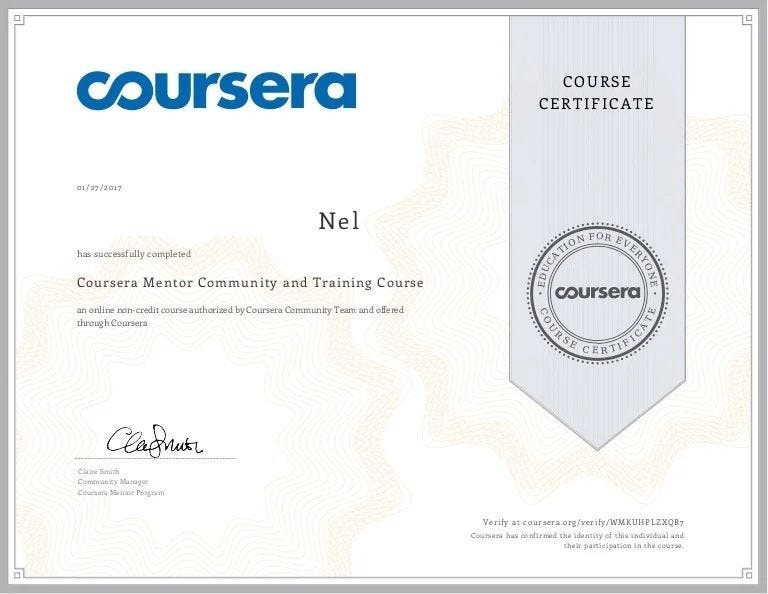
Coursera also goes beyond individual online courses by offering university-issued certificates and degree programs.
University certificate programs can provide a credential issued by the participating university. Some programs can also provide pathways toward additional academic study, depending on the specific program.
The platform also offers online bachelor’s and master’s degree programs from universities. Coursera currently lists degree programs with estimated completion periods of around two to four years, although this varies by program and enrollment structure.
This gives learners several levels of commitment, from a short course to a full university degree.
Hands-On Projects and Practical Learning
Coursera also includes hands-on projects designed around specific skills.
These projects can provide a more practical learning experience than simply watching video lessons. Learners can follow guided activities and apply concepts while working through the material.
Coursera currently describes Guided Projects as shorter learning experiences, with some taking approximately one to two hours to complete.
Practical exercises can be particularly useful when learning technical or software-related subjects.
Coursera Plus
For learners who want to take multiple courses, Coursera offers Coursera Plus.
The subscription provides access to a large selection of courses, Specializations, and Professional Certificates under one subscription, subject to the included catalog and applicable terms.
This can be useful for people who plan to explore several subjects instead of paying separately for every individual learning program.
Coursera currently promotes a 7-day free trial for its unlimited-learning subscription.
Learning From Universities and Companies
One of Coursera’s main attractions is the combination of academic and industry content.
The platform partners with universities and companies to provide courses and credentials. Current offerings include content from institutions and companies such as Google, IBM, Microsoft, Stanford, University of Michigan, OpenAI, Anthropic, and DeepLearning.AI.
This gives learners the option to study both academic subjects and industry-oriented skills within the same platform.
Coursera for Business
Coursera is also designed for organizations.
Coursera for Business provides companies with access to learning content intended to help employees develop new skills and improve existing capabilities.
Businesses can use the platform for workforce training, professional development, and skills programs across areas such as technology, AI, data, business, and other professional fields.
This makes Coursera relevant not only to individual learners but also to companies looking for structured online training.
Coursera Pricing
Coursera does not have one universal price because costs depend on the type of learning product.
Individual courses can start with free options, while Specializations and Professional Certificates can use monthly subscription pricing. Coursera currently lists Specializations and Professional Certificates starting at $49 per month, while Guided Projects can start at $9.99. University programs and degrees have substantially different costs.
Some courses and programs also offer previews or free trials, allowing learners to explore the learning experience before committing to a paid option.
Because pricing, promotions, and available programs can change, it is worth checking the specific course or program before enrolling.
Pros and Cons of Coursera
Pros
- Large selection of online courses and learning programs.
- Courses from universities and major companies.
- Covers technology, business, AI, data, healthcare, and many other subjects.
- Offers Professional Certificates and Specializations.
- University certificates and degree programs are available.
- Flexible learning allows students to study around their schedules.
- Hands-on projects are available for practical learning.
- Coursera Plus can provide access to multiple programs through one subscription.
- Suitable for beginners as well as experienced professionals.
Cons
- The large catalog can make choosing the right course difficult.
- Full access to many programs requires payment.
- Some certificates require completing a longer series of courses.
- Degree programs can require a much larger financial commitment.
- Course quality and teaching style can vary between instructors and institutions.
- Not every course is equally useful for every career goal.
Who Is Coursera Best For?
Coursera can be useful for students, working professionals, career changers, entrepreneurs, and anyone looking to develop a new skill.
Beginners can start with introductory courses, while experienced professionals can choose advanced Specializations or Professional Certificates.
It can also be useful for people changing careers because the platform offers structured learning paths in areas such as data analytics, cybersecurity, project management, software development, UX design, and AI.
Those looking for formal academic qualifications can explore university certificates and online degree programs.
Is Coursera Worth It?

Coursera provides several ways to learn depending on how much time, money, and commitment a learner wants to invest.
Someone who only wants to learn a specific topic can choose an individual course. A learner looking for a more structured skill path can explore a Specialization or Professional Certificate, while those seeking formal academic education can consider university certificates or degrees.
The presence of courses from universities and companies is another important part of the platform. However, the value of a particular course depends on its subject, instructor, curriculum, cost, and how well it matches the learner’s goals.
For people who plan to complete multiple courses, Coursera Plus can also make sense because it provides access to a broad selection of included learning content through one subscription.
Final Verdict
Coursera has built a broad online learning ecosystem covering everything from short courses and hands-on projects to professional credentials and university degrees.
Its combination of university-backed education, industry-created programs, flexible learning formats, and career-focused certificates gives learners several ways to approach online education.
The main challenge is choosing from such a large catalog. Learners should compare the curriculum, estimated time, instructor or institution, credential type, reviews, and total cost before enrolling.
Overall, Coursera is worth considering for learners who want flexible online education, career-focused skills, professional certificates, or access to university-level programs without following a traditional classroom-based schedule.